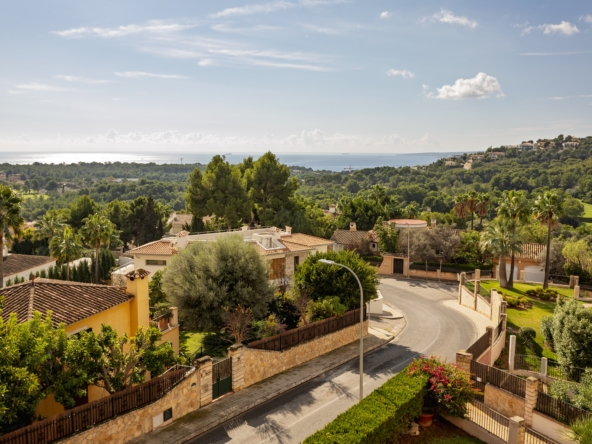
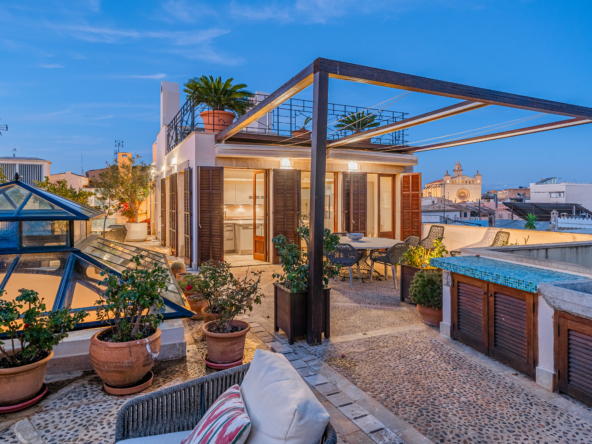
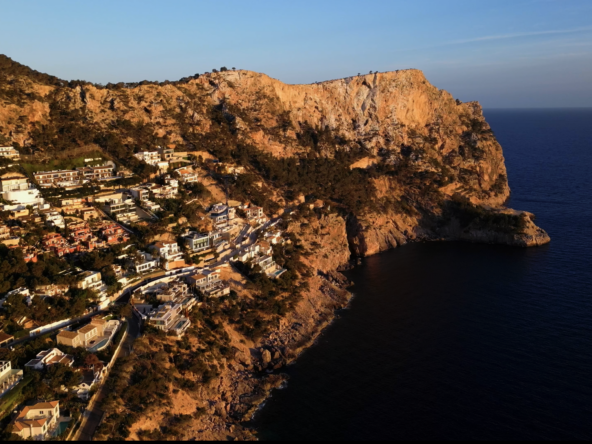
Living in Palma combines the convenience of a European city with the outdoor lifestyle of Mallorca. The Old Town offers historic architecture and walkability, Santa Catalina is social and international, Portixol and El Molinar put the Mediterranean into everyday life, while Son Rapinya, La Vileta and Son Vida provide more space for families. Palma works particularly well year-round because restaurants, markets, schools, healthcare, sport and culture don’t disappear after summer. Just as importantly, beaches, golf, marinas, villages and the Tramuntana remain within easy reach.
The Balance is the Appeal
Palma is small enough to become familiar very quickly, but big enough not to become boring.
It feels properly metropolitan, with distinct neighbourhoods, each with its own character and rhythm, yet it’s compact enough that the city rarely feels overwhelming.
For anyone considering a move to Mallorca, that balance is a big part of Palma’s appeal.
It’s where the island stops feeling like somewhere to escape to and starts feeling like somewhere you could actually live.
You can wake up behind a centuries-old stone façade and have a contemporary art gallery around the corner. Cycle beside the Mediterranean before work. Buy dinner at a neighbourhood market. Keep a boat in the marina. Walk to a restaurant without planning the journey home.
And when you want mountain villages, vineyards, quiet coves or the countryside, the rest of Mallorca is still right there.
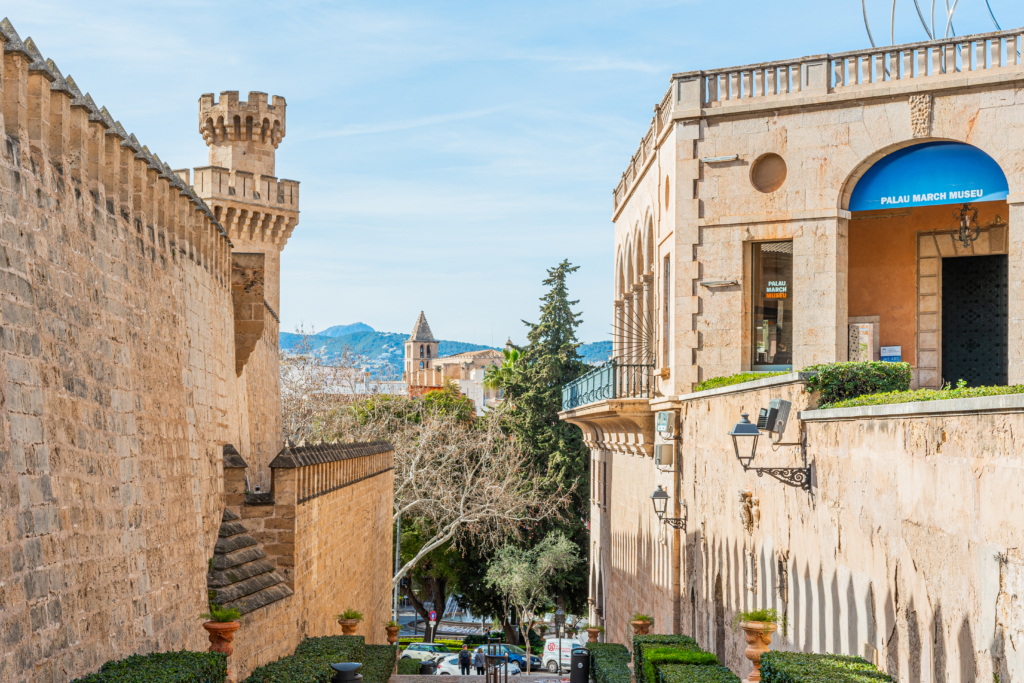
What Is Living in Palma Really Like?
Palma is increasingly international, but it remains unmistakably Mallorcan.
Head into the centre and you’ll hear English, German, Swedish, Dutch and French alongside Spanish and Mallorquín.
International residents have opened restaurants, galleries, hotels, studios and businesses, giving Palma a cosmopolitan confidence that has developed considerably over recent years.
But the city hasn’t become generic in the process.
This mixture is one of Palma’s greatest strengths.
You can have dinner somewhere that wouldn’t feel out of place in London, Copenhagen or Paris, then step outside into a street that has looked much the same for centuries.
It feels connected to the wider world without feeling disconnected from Mallorca.
Which Part of Palma Should You Live In?
There is no single Palma lifestyle.
Choosing the right neighbourhood depends on whether you want historic architecture, walkability, sea views, family space or a quieter residential setting.
| Area | Character | Particularly Suited To |
|---|---|---|
| Old Town | Historic, atmospheric, central | Architecture, culture, walkability |
| Santa Catalina | Social, international, energetic | Restaurants, markets, city lifestyle |
| Son Espanyolet | Quieter and residential | Families, houses, city access |
| Portixol & El Molinar | Waterfront, active | Sea, cycling, families |
| El Terreno & Son Armadams | Green, changing, residential | Bellver, marina access, city living |
| La Bonanova | Elevated and residential | Families, views, western Palma |
| Génova | Village-like, hillside | Character, restaurants, quieter living |
| Cala Major | Coastal and urban | Beach access, apartments, culture |
| Son Rapinya & La Vileta | Family-focused | Schools, sport, larger homes |
| Son Vida | Private and prime | Luxury villas, golf, space |
The useful question isn’t simply, “Do I want to live in Palma?”
It’s which version of Palma fits the way I want to live?
Palma Old Town: History as Everyday Life
Calling Palma’s Old Town one neighbourhood is slightly misleading.
Within a relatively compact area, the atmosphere can change completely from one street or square to the next.
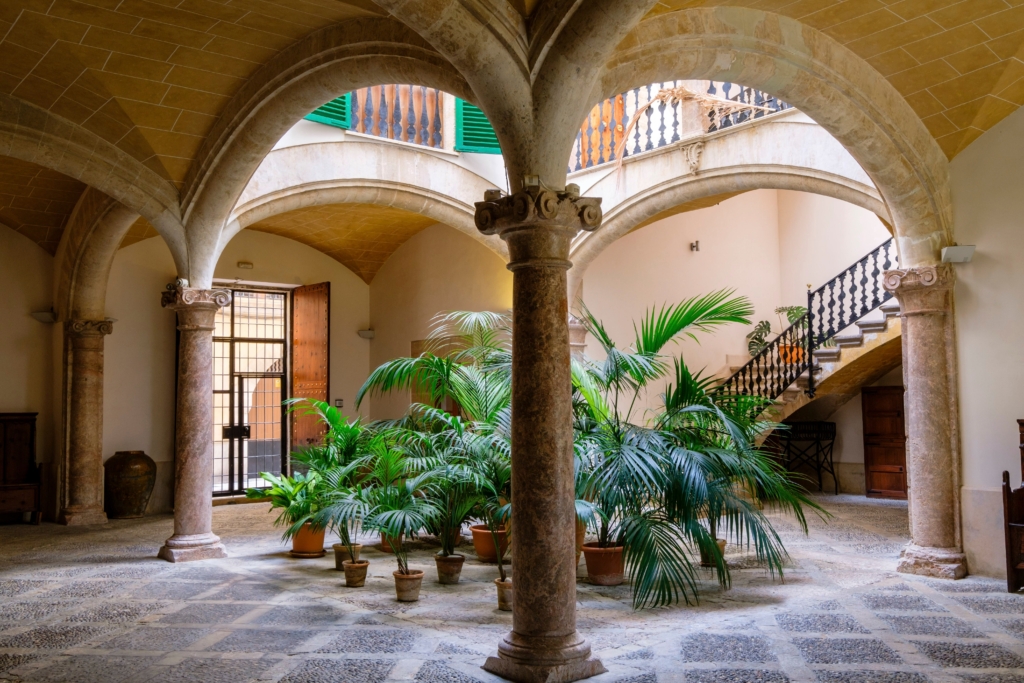
La Calatrava, behind the Cathedral and running towards the old city walls, is quieter and more residential, with narrow stone streets, hidden courtyards and occasional glimpses towards the sea.
Nearby Sant Francesc has a similarly historic character, while Santa Eulàlia and Cort put you firmly in the centre of city life.
Sant Nicolau leads naturally towards Passeig del Born and some of Palma’s best-known shopping streets and cafés.
Move west and the atmosphere changes around La Llotja, where medieval streets meet the waterfront and evenings become livelier.
Then there’s La Missió, slightly removed from the busiest routes and home to its own mixture of historic architecture, design and independent businesses.
Living here is about much more than the Cathedral and monumental buildings.
It’s the courtyards, shutters, old shop signs, tiny squares and streets you continue discovering months after moving in that give the Old Town its character.
From a property perspective, buyers can find renovated apartments, penthouses, historic residences and extraordinary homes hidden behind façades that reveal very little from the street.
Best for: Walkability, historic architecture, culture and city-centre living.
Santa Catalina & Son Espanyolet: Two Sides of City Life
Santa Catalina is one of Palma’s most social neighbourhoods.
Its market sits at the centre, surrounded by restaurants, bakeries, cafés and bars.
The neighbourhood has become highly international, but longstanding local businesses still sit alongside newer arrivals.
It’s lively, walkable and particularly attractive to buyers who want restaurants and social life immediately outside the door.
What visitors sometimes miss is how quickly the atmosphere changes.
Cross into neighbouring Son Espanyolet and the streets become noticeably more residential.
There are houses, families, local cafés and a quieter rhythm, yet Santa Catalina, the centre and waterfront remain within easy reach.
Palma Sport & Tennis Club also sits in this part of the city, bringing together tennis, swimming, fitness, a spa, food and workspace.
It’s a good example of how people actually live in Palma: work, sport and social life often overlap rather than existing in completely separate parts of the day.
Best for: Santa Catalina for energy and walkability; Son Espanyolet for a more residential version of the same location.
Portixol & El Molinar: Living Beside the Mediterranean
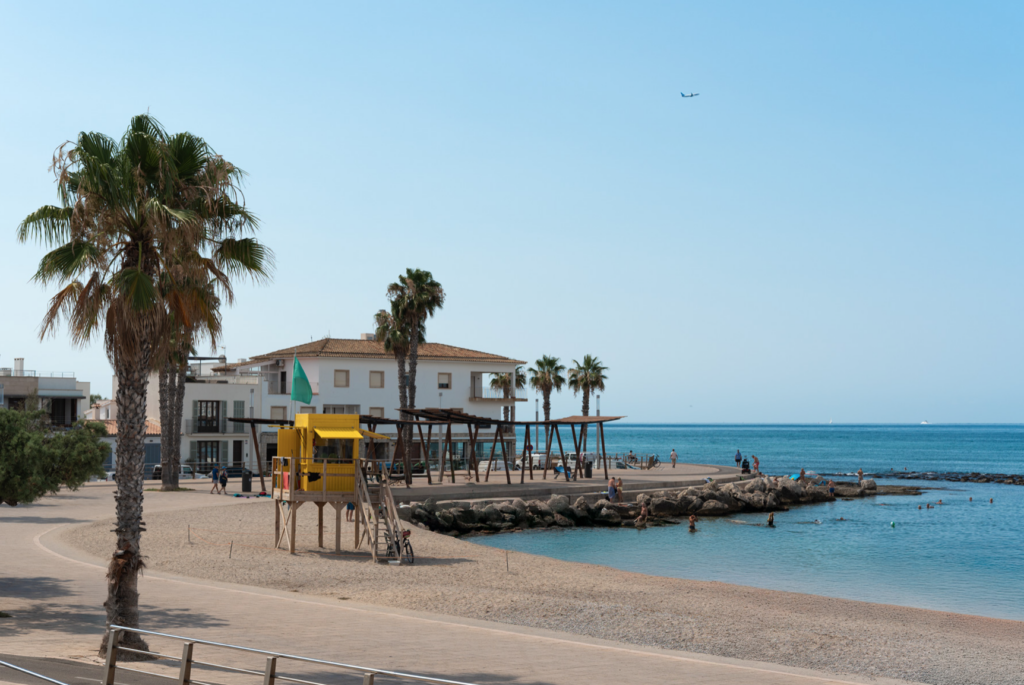
Head east from the centre and Palma opens onto Portixol and El Molinar. Here, the Mediterranean becomes part of everyday life rather than somewhere you drive to at the weekend.
The promenade is active from early morning with runners, cyclists, swimmers and dog walkers. A coastal cycle route makes it easy to head back towards the city or continue farther east.
Portixol has the livelier restaurant and café scene around its small harbour.
El Molinar becomes increasingly residential as you continue along the coast.
For families, the open waterfront and playgrounds make this an easy part of the city for outdoor life.
For runners and cyclists, having kilometres of coastline outside the front door can completely change the daily routine.
Best for: Waterfront living, cycling, running, families and buyers who want the sea built into everyday life.
West Palma: El Terreno, Son Armadams & Bellver
Western Palma has another character entirely.
El Terreno has a long history as one of the city’s more bohemian neighbourhoods and continues to evolve.
Neighbouring Son Armadams feels greener and more residential.
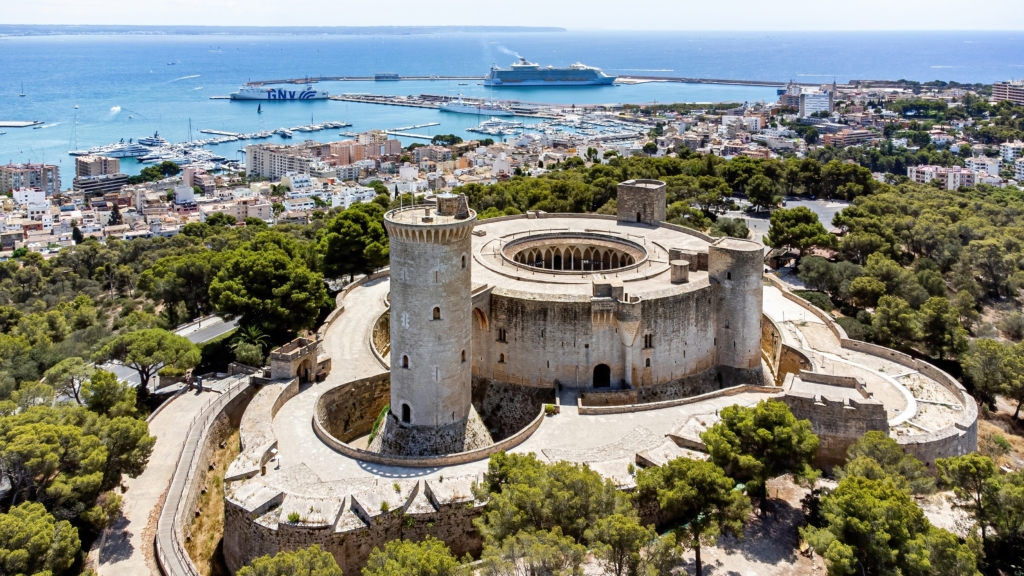
The defining feature is Bellver. The castle may be the landmark, but for residents the surrounding pine forest is equally important.
Its paths are used for running, walking and cycling, giving western Palma a surprising amount of green space considering how close it is to the centre.
Below, the waterfront and marina remain within easy reach. Above, the city begins climbing towards La Bonanova and Génova.
This part of Palma can work particularly well for buyers who want city access but don’t necessarily want their everyday life centred on the Old Town.
Best for: Green space, marina proximity and quieter residential city living.
La Bonanova, Génova & Cala Major
Continue west and uphill and Palma becomes increasingly difficult to describe as purely urban.
La Bonanova sits above the harbour and provides an established residential environment within easy reach of the centre.
Continue higher and you reach Génova. Officially part of Palma, it still manages to feel like a village.
Génova has long been somewhere Mallorcans go for dinner, particularly for traditional restaurants and grilled meats. Its hillside streets can feel surprisingly removed from the city below.
Drop back towards the coast and you reach Cala Major, where Palma meets the beach and begins transitioning towards the Southwest.
Cala Major also adds an important cultural dimension through Fundació Miró Mallorca, preserving the studios and spaces where Joan Miró lived and worked.
For families, western Palma also places several international schools within practical reach, both within the city and farther towards Portals.
Best for: Families, elevated residential living, beach access and buyers who want easy connections towards the Southwest.
Son Rapinya, La Vileta & Son Vida: Palma for Families
Palma also extends inland, and this is a side of the city that visitors can easily overlook.
Son Rapinya and La Vileta are predominantly residential. Schools, sports facilities and everyday family life take precedence over sightseeing and hotels. For families moving permanently to Mallorca, that’s precisely the point.
Green Valley School is based in La Vileta, while other international education options are accessible across western Palma and towards the southwest.
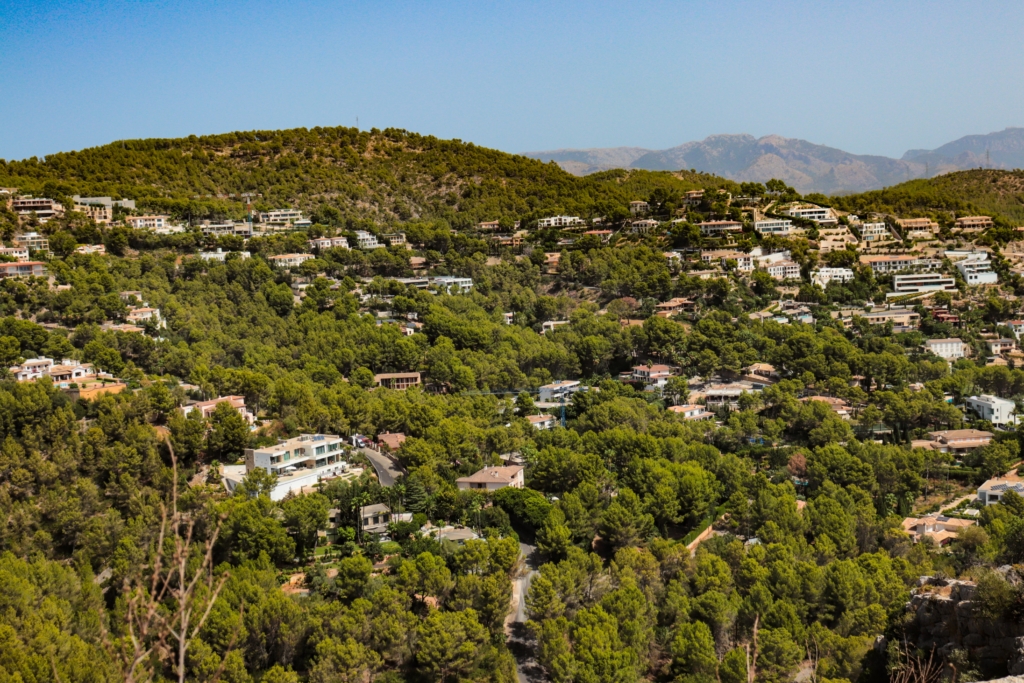
Continue uphill and you reach Son Vida, one of Mallorca’s best-known luxury residential areas.
Here the property market changes substantially. Large villas, gardens, privacy and golf become the defining features, while Palma remains only minutes away.
The wider Son Vida area also has a particularly strong relationship with golf and outdoor sport.
This residential belt demonstrates that living in Palma doesn’t necessarily mean apartment living.
You can have considerably more space without giving up access to the city.
For families comparing schooling with residential locations, our Luxury Homes Near International Schools in Mallorca guide explores those connections in greater detail.
Local Insight from The Agency RE Mallorca
People often arrive in Palma with a very specific picture in mind. Usually, it’s the Old Town.
Historic stone, shutters, balconies, cafés and the Cathedral somewhere nearby.
Then they start spending time in the city.
A family may realise Son Espanyolet or La Bonanova makes their everyday routine easier. Someone who planned to buy an Old Town apartment may fall for Portixol because they run every morning. A buyer wanting complete privacy may discover Son Vida gives them the space of a villa while keeping the city close.
That’s why we encourage buyers to experience several Palma neighbourhoods before narrowing their search.
The city is compact enough that areas can look very close together on a map.
The lifestyles can be completely different.
Is Palma Good for Year-Round Living?
This is arguably where Palma has its greatest advantage. It doesn’t depend on the summer season to function.
Winter still means restaurants, exhibitions, sport, markets, schools, businesses and normal city life. Autumn brings a gentler rhythm after summer.
Winter can still mean sunny lunches outdoors and mornings on the promenade. Spring tends to arrive early, bringing longer evenings and a gradual return to the water.
The point isn’t that one season is better – It’s that Palma works through all of them.
For anyone planning to make Mallorca their primary residence, rather than somewhere used only during summer, that’s a significant advantage.
Our Luxury Homes in Mallorca for Year Round Living guide looks more closely at the practical considerations involved in choosing a permanent home on the island.
Eating Out Is Part of the Infrastructure
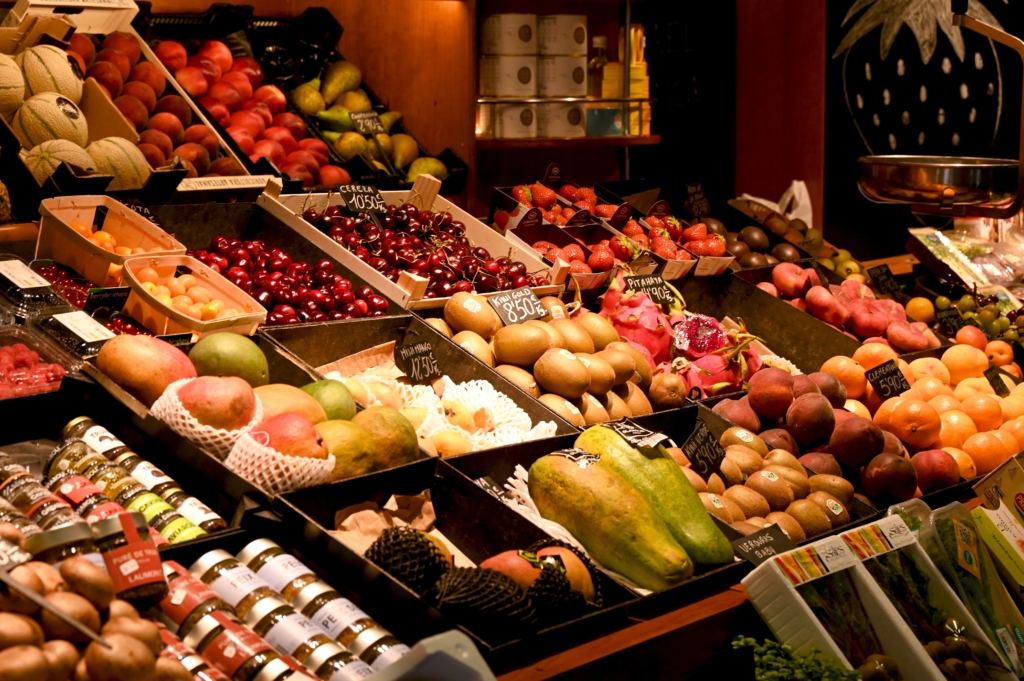
Food isn’t an occasional luxury in Palma. Mercat de l’Olivar is the city’s central market, with fish, seafood, meat, fruit and vegetables alongside places to stop for tapas or lunch.
Mercat de Santa Catalina is smaller and more intimate, while Mercat Pere Garau has a particularly local and multicultural character.
Then there are Palma institutions.
An ensaïmada at Ca’n Joan de s’Aigo. A llonguet at Bar Bosch. Tapas at La Rosa. A traditional Mallorcan lunch at Celler Sa Premsa. Alongside them, restaurants such as DINS by Santi Taura represent the more contemporary evolution of Mallorcan cooking.
And the food map isn’t limited to the centre.
Portixol and El Molinar make waterfront lunches part of city life, while Génova has long been known for traditional restaurants and grilled meats.
Living here means having enough choice that going out for dinner doesn’t require much advance planning.
Art & Culture Are Part of the City Too
Palma’s cultural scene is considerably larger than many first-time visitors expect from a city of its size. And importantly, it isn’t confined to one museum district.
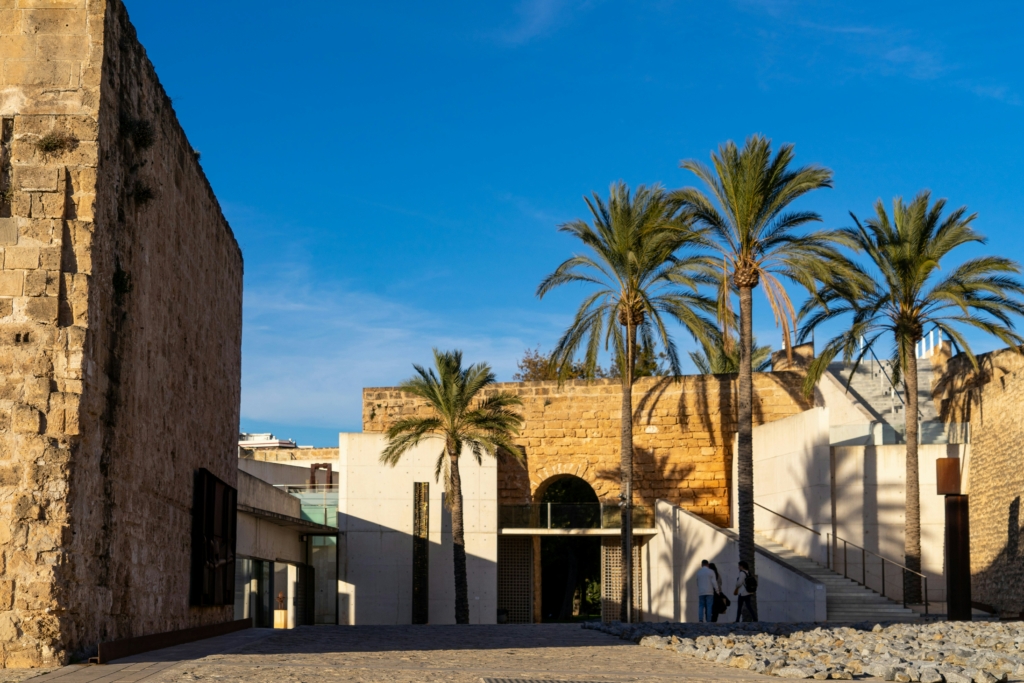
Es Baluard sits within the old defensive walls overlooking the marina.
Casal Solleric brings exhibitions into a Baroque palace directly on Passeig del Born.
Contemporary galleries are woven throughout the centre and Old Town, while Fundació Miró Mallorca extends the cultural map west towards Cala Major.
There’s plenty beyond visual art too. The Teatre Principal, independent cinemas, live music, architecture and design events all contribute to the city’s calendar.
Events such as Nit de l’Art demonstrate one of the most enjoyable aspects of Palma’s cultural life: art regularly spills out into the streets rather than remaining behind museum doors.
An Active City
Mallorca’s reputation for cycling is well established. Living in Palma makes it unusually easy to make sport part of an ordinary week rather than something reserved for holidays.
Cyclists are everywhere.
From the city, routes can head west towards Calvià and the Tramuntana, north towards Esporles and Valldemossa or simply follow the coastal path through Portixol and El Molinar.
Running is equally easy to incorporate, particularly along the waterfront and around Bellver forest.
Tennis, padel, swimming, sailing and golf are all readily accessible.
The Son Vida area provides several golf courses close to the city, while Palma Sport & Tennis Club puts a range of facilities close to Santa Catalina and Son Espanyolet.
For families, the same outdoor access matters.
What Kind of Property Can You Buy in Palma?
Palma’s property market is as varied as its neighbourhoods.
Buyers can consider:
- Historic Old Town apartments and residences
- Renovated penthouses with terraces
- Contemporary city apartments
- Townhouses and houses in residential neighbourhoods
- Waterfront homes around Portixol and El Molinar
- Sea-view apartments in western Palma
- Family homes around Son Espanyolet and Son Rapinya
- Luxury villas and estates in Son Vida
This variety means the property search should begin with lifestyle rather than square metres.
A 150-square-metre Old Town apartment and a substantially larger Son Vida villa may both be considered luxury Palma properties, but they solve completely different needs.
Apartment or Villa?
For many Palma buyers, this becomes the fundamental choice.
An apartment in the Old Town, Santa Catalina or another central neighbourhood can provide a highly walkable lifestyle. You can leave the car at home, walk to dinner and have much of the city within minutes.
The trade-off may be less outdoor space, more complicated parking and the practical considerations that come with historic buildings or apartment communities.
A villa or larger house in areas such as Son Vida, Son Rapinya or La Bonanova provides more privacy and space. The trade-off is that the car tends to play a larger role in daily life.
For buyers planning to live in Palma year-round, the right answer depends on what you value more: having the city outside your front door or having more space around your home.
Palma for International Families
Palma is particularly practical for international families because education, sport and everyday services can all be incorporated into the property search.
The western side of the city provides access to several international schools, with additional options farther towards Portals Nous.
Areas such as Son Rapinya, La Vileta, La Bonanova and Son Vida naturally attract family buyers because they combine residential surroundings with relatively straightforward access to schools and the centre.
But family life doesn’t have to mean moving inland.
Portixol and El Molinar offer another model, with the waterfront, playgrounds and outdoor activity becoming part of everyday life.
The important thing is to test the routine.
School runs, work, after-school activities and regular airport journeys often tell you more about the right neighbourhood than a weekend viewing does.
Palma or South West Mallorca?
This is a common decision for international buyers. Both can provide an excellent year-round lifestyle, but the emphasis is different.
Palma gives you walkability, city culture, markets, restaurants and the ability to make spontaneous plans without necessarily getting into a car.
South West Mallorca gives you more obvious access to beaches, marinas, golf and larger villa communities while keeping Palma within reach.
For some buyers, Bendinat or Portals provides the ideal compromise. For others, nothing replaces being able to walk through Palma for coffee in the morning and dinner at night.
Our Living in South West Mallorca guide provides a useful comparison with life beyond the western edge of the city.
Mallorca Is Still Outside the Door
One of Palma’s biggest advantages is that living in the city doesn’t mean choosing Palma instead of Mallorca.
From western neighbourhoods, you can be heading towards Calvià and the southwest within minutes. From the northern side of the city, roads towards Esporles and Valldemossa put the Tramuntana within easy reach.
Sóller, Deià, the vineyards around Binissalem and Santa Maria and Mallorca’s interior villages can all form part of a normal weekend.
And beaches are never far away.
This is ultimately what makes Palma unusual.
You can build a very urban life around the Old Town or Santa Catalina, live beside the sea in Portixol, choose something greener around Bellver or La Bonanova, create a family-focused routine around Son Rapinya or opt for considerably more privacy in Son Vida.
They’re very different versions of living in Mallorca. None requires giving up the city.
Is Living in Palma Right for You?
Living in Palma is particularly compelling if you want Mallorca to be your home rather than simply your holiday destination.
The city offers enough variety to keep everyday life interesting, but remains small enough to feel accessible.
You can walk, cycle, eat extremely well, spend time on the water, see an exhibition, work, take children to school and meet friends without feeling as though every part of your life exists in a different place.
And when you need something completely different, the rest of Mallorca is close.
That’s perhaps the best way to understand Palma.
It’s not an alternative to the Mallorca lifestyle. It’s one of the most complete ways to live it.
Finding a Home in Palma
Choosing a Palma property starts with choosing the version of the city that fits you.
Do you want the architecture and walkability of the Old Town?
The social energy of Santa Catalina?
The Mediterranean outside your door in Portixol?
A quieter family neighbourhood?
Or the space and privacy of Son Vida?
At The Agency RE Mallorca, we help international buyers compare both properties and neighbourhoods so that the home works for the way they actually intend to live.
For broader purchasing guidance, read our Expert Tips to Buying in Mallorca, explore Properties for Sale in Palma, or speak with our Team for personalised advice on where to focus your Palma property search.
Frequently Asked Questions
Is Palma a good place to live?
Yes. Palma combines year-round restaurants, shops, markets, culture, schools and healthcare with beaches, sport and easy access to the rest of Mallorca. Its relatively compact size makes everyday life manageable, while the variety between neighbourhoods means residents can choose anything from historic city-centre living to private luxury villas.
What are the best areas to live in Palma?
It depends on your lifestyle. The Old Town suits buyers wanting history and walkability, Santa Catalina is lively and social, Portixol and El Molinar offer waterfront living, Son Espanyolet is more residential, and Son Vida appeals to buyers looking for luxury villas, privacy, space and golf.
Is Palma suitable for year-round living?
Very much so. Palma functions as a city throughout the year rather than relying primarily on summer tourism. Restaurants, markets, businesses, schools, sports facilities and cultural venues remain part of everyday life through winter, making it particularly attractive to people relocating permanently or spending extended periods in Mallorca.
Where should families live in Palma?
Son Rapinya, La Vileta, La Bonanova, Son Espanyolet and Son Vida are all worth considering for family life, depending on budget and preferred property type. International schools are particularly accessible from western and inland Palma, while Portixol and El Molinar provide a more waterfront-focused family lifestyle.
Can you live in Palma without a car?
In central areas, yes. The Old Town, Santa Catalina and neighbouring districts are particularly walkable, and cycling can also be practical for many journeys. A car becomes more useful in outer residential neighbourhoods and for exploring the wider island, particularly if you live in Son Vida or regularly travel outside Palma.
Is Palma good for outdoor living?
Yes. The waterfront is widely used for running, cycling and swimming, Bellver provides wooded trails, and sailing, tennis, padel and golf are readily accessible. Mallorca’s mountains and countryside are also close enough that residents can combine city life with outdoor activities elsewhere on the island.
Is the Old Town a good place to live?
For the right buyer, absolutely. Palma Old Town offers exceptional historic architecture, walkability, restaurants, galleries and atmosphere. Buyers should also consider practical factors such as parking, lift access, outdoor space, natural light and building condition, particularly when comparing older properties.
Is Portixol a good area to live in Palma?
Portixol is particularly attractive to people who want the Mediterranean integrated into daily life. Its promenade makes running and cycling easy, while restaurants and the small harbour create a lively waterfront environment. Neighbouring El Molinar becomes more residential as you continue east along the coast.
Is Son Vida part of Palma?
Yes. Son Vida sits in the hills above Palma and offers a very different lifestyle from the city centre. It’s known for luxury villas, privacy and golf while remaining only a short journey from central Palma, making it attractive to buyers who want space without leaving the city behind.
Is Palma suitable for international residents?
Yes. Palma has a substantial international community and it’s common to hear several languages throughout the city. International schools, businesses and communities are well established, while Palma retains a strong Mallorcan identity through its markets, architecture, traditions, food and neighbourhood life.
Should I choose Palma or South West Mallorca?
Choose Palma if walkability, restaurants, culture and everyday city life are priorities. Consider the Southwest if you want a more residential coastal setting with marinas, golf and larger villa communities. Areas such as Bendinat and Portals can provide a middle ground by keeping Palma close.